When Your Biggest Critics Watched You Grow Up: The Wild Pressure of Performing for People Who Know Too Much
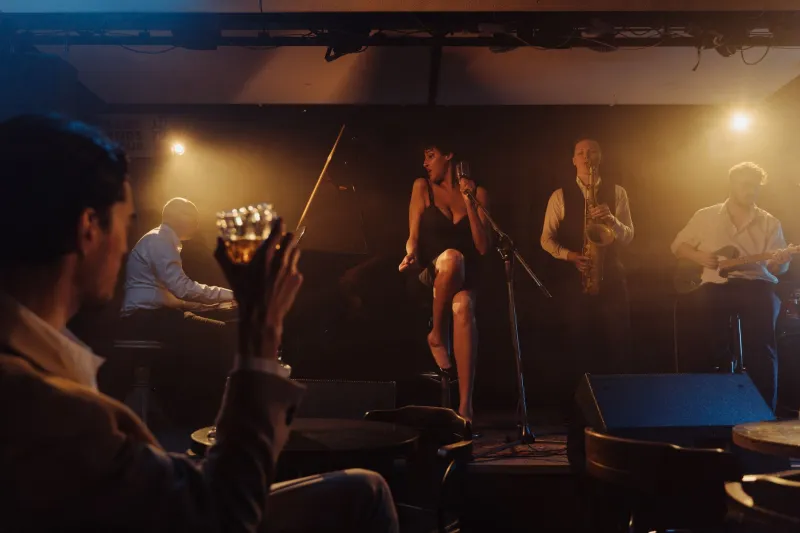
Let's set the scene. You've been grinding for months. You've got your set tight, your stage presence locked in, your persona polished to a shine. You walk out under those lights feeling like you've finally become the version of yourself you always imagined. And then — right there in row three — sits your Aunt Patricia, who still calls you by your childhood nickname and once told your whole family you were "too sensitive" for show business.
Welcome to the specific, soul-rattling experience of performing for people who knew you before you were you.
It doesn't matter if you're doing stand-up at a hometown venue or releasing music that your old high school classmates are suddenly streaming on their lunch breaks. The moment your art lands in front of people who have receipts on your past self, something shifts in ways that no performance coach fully prepares you for.
The Persona Problem Nobody Talks About
Every entertainer builds a persona. It might be a slight exaggeration of who they really are, or it might be a full-on character constructed from scratch. Either way, that persona is a tool — a way of shaping how an audience receives you. The crowd at a club in a city where nobody knows your name? They meet the persona first. They have no competing version of you to cross-reference.
But your hometown crowd? They've got the whole archive. They remember the version of you that was awkward at prom, the version that got fired from their first job, the version that used to rap into a hairbrush in the bathroom mirror thinking nobody could hear. They carry a mental image of you that predates your craft, your confidence, and your carefully chosen stage name.
Psychologists call this "identity foreclosure" when it happens in development — when people around you decide who you are before you've had a chance to figure it out yourself. In entertainment, the version of it that hits performers is quieter but just as stubborn. The people from your past have already formed a story about you, and your performance is now competing with that story in real time.
Why It Hits Different When They Love You
Here's the sneaky part: it's not just the skeptics that make hometown performances nerve-wracking. Sometimes the people who are most in your corner are the hardest to perform for.
When a stranger laughs at your joke or nods along to your beat, that's pure signal. They have no reason to react except for what you gave them in that moment. But when your mom is in the front row, visibly proud before you've said a single word? That's noise. Beautiful, loving noise — but noise nonetheless. You start performing for her reaction instead of letting the work breathe on its own terms.
Musicians describe it as playing differently when family is watching. Not worse, necessarily, but safer. You pull back from the edges. You skip the song that's most personal because you're not ready to have that conversation at Sunday dinner. You shrink the performance down to what feels acceptable in the context of those relationships, and in doing so, you accidentally shrink yourself.
The Gap Is Actually the Gold
Here's what nobody tells you until you're deep enough into the craft to appreciate it: that gap between who people think you are and who you've become on stage? That's not a problem to solve. That's where the best material lives.
The funniest comedians and the most emotionally resonant musicians aren't the ones who've figured out how to eliminate that tension. They're the ones who've learned to use it. They walk into that gap on purpose. They acknowledge the version of themselves that their hometown crowd remembers, and then they do the thing that version of them never could have done — they tell the truth about it.
Think about the moments when an artist references their come-up, their broke years, their embarrassing decisions. Those moments hit hardest precisely because the people who were there for those years can confirm the story. The authenticity isn't manufactured. It's verified by the people in the room who lived adjacent to it.
The Ronnieland Take: Lean Into the Awkward
If you're building something real — a music career, a comedy following, a creative identity that actually means something — there will come a moment when the people from your before-life show up in your after-life audience. And it will feel weird. It's supposed to feel weird.
The trick isn't to perform around the weirdness. It's to perform through it. Acknowledge the version of you that those people remember. Respect that version — they're not wrong for knowing it. And then show them who you've become anyway, with no apology and no explanation.
The most powerful thing an entertainer can do in front of people who know them is be more themselves than those people ever expected. Not less. Not a sanitized, palatable version of the persona you've built for strangers. More — louder, stranger, truer than the person who used to sit in that same town wondering if any of this was even possible.
That's the performance that actually changes how people see you. Not just the ones in the room, but the one in the mirror who's been waiting for permission to go all the way.
Aunt Patricia is going to have opinions either way. Might as well give her something worth talking about.