Swipe Right on Your Comedy Career: How to Go From Zero Followers to Sold-Out Shows Using TikTok
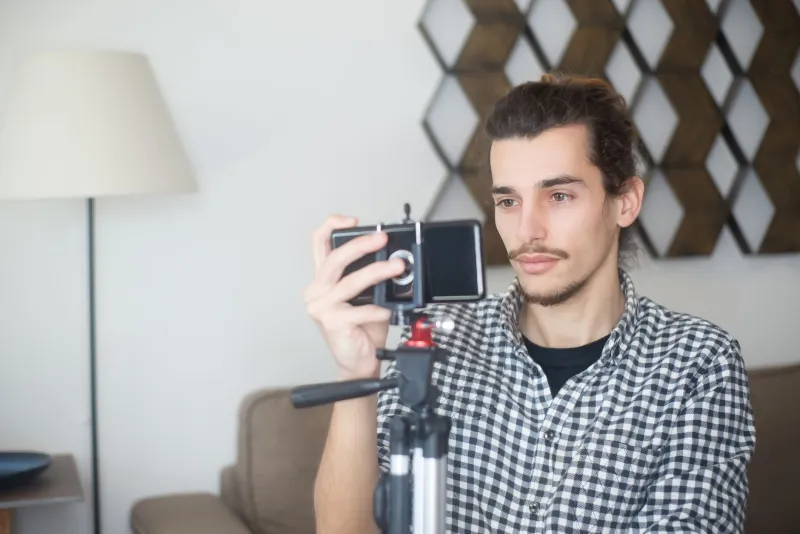
Somewhere right now, a 22-year-old is sitting in their apartment in Des Moines, filming their fourteenth take of a 30-second bit about their weird uncle's opinions on gas station sushi. They're going to post it at 7 PM. By midnight, it'll have 400,000 views. By next weekend, a comedy club in Chicago will be sliding into their DMs.
This is not a fantasy. This is Tuesday in the TikTok era.
Here at Ronnieland — your headquarters for music, laughs, and the kind of good vibes that actually hold up under pressure — we've been watching the comedy landscape flip upside down and shake out its pockets. What fell out? A whole new generation of funny people who didn't wait for permission. And honestly? We're here for all of it.
The Old Gatekeepers Left the Building
For decades, breaking into stand-up comedy meant a very specific grind: open mics at 11 PM to a room of six other comedians and a bartender who's heard better, grinding for years before getting a five-minute spot on a late-night show, hoping a manager noticed you before your rent was three months overdue.
That path still exists. But it's no longer the only path.
Short-form video blew the gate clean off its hinges. TikTok, Instagram Reels, and YouTube Shorts handed aspiring comedians something the industry never voluntarily gave them: direct access to an audience. No middleman. No bouncer at the velvet rope. Just you, your phone, your timing, and your ability to make a stranger laugh in under 60 seconds.
"I spent two years doing open mics and barely grew," says Deja, a 26-year-old comic from Houston who now has over 800,000 TikTok followers. "I posted one video about my mom's relationship with her church group and woke up to 200,000 views. That one video did more for my career than two years of open mics combined."
The Formula Isn't a Formula (But Here's the Framework)
Here's the thing that every successful TikTok comedian will tell you: there's no magic algorithm hack. But there is a framework that separates the comics who pop from the ones who post into the void.
Specificity is your superpower. The more specific your observation, the more universal it lands. "People be weird" is a bit. "My coworker microwaves fish on Fridays and then leaves passive-aggressive notes about the break room" is a bit. The details are what make strangers feel seen. Specificity creates community.
Consistency over virality. Every comedian who's built a real following on TikTok will tell you the same thing: post regularly, even when the numbers are ugly. The algorithm rewards consistency. More importantly, your comedic voice sharpens with repetition. Your 40th video will be better than your 4th. You have to make the 4th to get there.
Find your lane and floor it. The comics who build loyal audiences aren't trying to be everything. They're the "work from home" person, the "Black millennial navigating Gen Z slang" person, the "single dad at the grocery store" person. Your specific perspective is not a limitation — it's your brand. Lean in.
Cross-Platform Is Not Optional, It's the Strategy
TikTok is the ignition, but it shouldn't be the whole engine. The comics building sustainable careers treat their content like a multi-platform ecosystem.
Here's how the smart ones are doing it:
- TikTok is for discovery. Short, punchy, algorithm-friendly. This is where new eyes find you.
- Instagram Reels is for reinforcement. Repurpose your best TikToks here to catch the audience that lives on Instagram but doesn't cross over.
- YouTube is for depth. Long-form content — extended bits, vlogs, behind-the-scenes — is where your audience becomes a community. It's also where the ad revenue actually adds up.
- Email list / newsletter is for ownership. This one gets slept on. Social platforms can change their algorithm overnight and tank your reach. Your email list? That's yours. Build it early.
Marcos, 29, from Miami, started posting comedy sketches on TikTok in 2022 and now runs a Substack newsletter that 12,000 people subscribe to. "The TikTok following is great, but my newsletter is where my real fans are. Those are the people who buy tickets when I announce a show. Those are the people who show up."
Turning Viral Moments Into Actual Money
Okay, let's talk about the part everyone's actually wondering about: how do you turn funny videos into a rent check?
The honest answer is that virality alone doesn't pay the bills. But virality is a door, and what you do when it opens is everything.
Live shows. This is still the primary revenue source for working comedians. A TikTok following translates to ticket sales if — and only if — you're actively inviting your audience into a live experience. Don't wait for a promoter to book you. Rent a small venue. Sell 80 tickets at $20 each. That's $1,600 and proof of concept for bigger opportunities.
Brand deals. Comedy creators with engaged followings are incredibly attractive to brands. The key word is engaged. A creator with 200,000 highly interactive followers can command more than someone with 2 million passive ones. Know your engagement rate. Know your audience demographics. That's your pitch.
Merch. If you've developed a signature phrase, a recurring character, or a bit that people quote back at you — that's merch potential. It doesn't have to be complicated. A T-shirt with your catchphrase. A mug. A sticker. Start small.
Patreon and exclusive content. Your most loyal fans want more of you than the algorithm will deliver. Give them a backstage pass through a subscription platform. Behind-the-scenes content, early access to new bits, monthly live Q&As — these create recurring revenue and deepen the relationship with your core audience.
The Mindset That Actually Makes It Work
Here's the real talk portion of the program, and we're giving it to you straight because that's what Ronnieland does.
Building a comedy following in the TikTok era requires you to be comfortable with being misunderstood, underwhelming, and occasionally cringe — publicly, repeatedly, and without quitting. Most videos won't go viral. Most jokes won't land perfectly. Most months won't feel like progress.
The comedians who make it aren't necessarily the funniest ones in the room. They're the ones who stayed in the room longest.
"I posted for eight months before anything took off," says Tasha, 24, from Philadelphia, who now headlines regional comedy festivals. "Eight months of posting to basically nobody. But I got better every single week. When the audience finally showed up, I was ready for them."
That's the blueprint. Not a hack. Not a shortcut. Just consistency, specificity, cross-platform strategy, and the audacity to keep being funny even when the numbers say otherwise.
Now go write a joke about your weird uncle. We'll be here when it pops.