Best Friends, Worst Business Partners? The Real Talk on Making Art With People You Actually Like
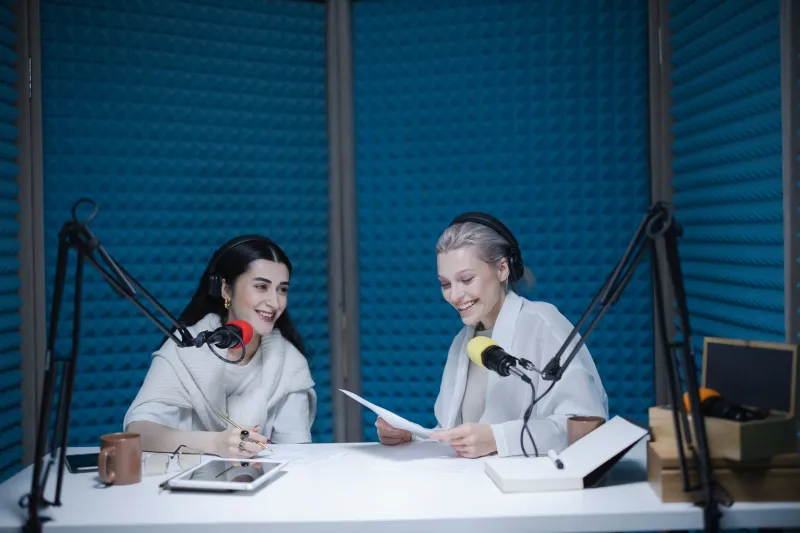
Somewhere right now, two friends are sitting in a bedroom studio absolutely convinced they're about to change music forever. They've got matching energy, a shared vision, and years of inside jokes that make the creative shorthand feel effortless. It's going to be great.
And then one of them changes a lyric without asking. Or one of them books a show without checking the other's schedule. Or — and this one's a classic — one of them gets a little more attention on social media and the other one starts doing that thing where they're fine, they're totally fine, everything is completely fine.
Welcome to the creative collaboration. Population: two people who used to be friends.
Why It Feels So Easy at First
Collaborating with a friend has a seductive logic to it. You already speak the same language. You trust each other. The creative conversations feel like regular conversations, which means the friction is low and the ideas flow fast. In the early stages of a project, that energy is genuinely electric.
The problem is that friendship intimacy and creative partnership intimacy are two completely different things, and most people don't realize that until they're already deep in a project and the first real disagreement hits.
In a friendship, you've developed a thousand unspoken agreements about how conflict works. Maybe you're the one who backs down first. Maybe your friend always gets the last word and you've made peace with that. These dynamics are invisible when you're just hanging out. But in a creative context, those same dynamics start making decisions about the work, and that's when things get complicated.
The Credit Conversation Nobody Wants to Have
Let's start with the most uncomfortable one: who gets credit for what?
In a healthy collaboration, credit is fluid and generous. But creative work has a way of making people territorial in ways they didn't expect. You came up with the hook. Your partner rearranged it into something better. Who owns that? When the project gets attention, who gets the headline?
The mistake most friend-collaborators make is assuming that of course they'll figure it out fairly when the time comes. They won't talk about it upfront because talking about it feels transactional, and transactional feels like you don't trust your friend, and you absolutely trust your friend, so why have the awkward conversation?
Because the time to negotiate credit is before anyone cares about the project, not after. Once there's money, recognition, or even just Instagram followers on the line, every conversation about credit carries ten times more emotional weight.
Set the terms early. Write them down. Yes, even with your best friend. Especially with your best friend.
When Creative Differences Feel Personal (Because They Kind of Are)
Here's a truth that creative collaborators learn the hard way: when someone rejects your idea, it doesn't feel like a professional disagreement. It feels like they're rejecting you. And when you're working with a friend — someone who knows your insecurities, your history, your whole deal — that sting goes deeper.
A collaborator who isn't your friend can say "I don't think that direction works" and you can take it as feedback. A collaborator who is your friend says the same thing and suddenly you're wondering if they ever really believed in you.
The antidote is separating the person from the idea, which sounds simple and is actually one of the hardest skills in creative work. Good collaborations develop a language for this — a way of critiquing the work without it reading as a critique of the person. Bad collaborations never figure this out, and every creative disagreement becomes a referendum on the friendship.
"We had to learn to say 'I don't think this idea is right for the project' instead of 'I don't like this,'" says one musician who's been making music with the same childhood friend for five years. "The second version feels like an opinion about taste. The first version is about the work. It sounds like a small difference but it changed everything."
The Unspoken Rules That Actually Work
After enough creative collaborations — successful ones and spectacular failures — certain patterns emerge. Here are the ones worth paying attention to.
Decide on a decision-making process before you need it. When you're in the middle of a creative disagreement, the last thing you want to be doing is also arguing about how you're going to resolve the argument. Figure out ahead of time: is there a tiebreaker? Do you take turns having final say on different elements? Do you agree to bring in a trusted third party when you're stuck? Any system is better than no system.
Keep the friendship separate and sacred. This sounds obvious until you're in it. Have regular time together that has nothing to do with the project. Don't let every hangout turn into a work session. The friendship is the foundation — if you let the project consume it, you lose both the friendship and the collaboration.
Talk about money before there is any. Even if your project is currently generating zero dollars, decide how you'd split revenue if it did. This conversation is so much easier when the stakes are theoretical.
Give each other creative territories. In many successful collaborations, each person has an area where their vision leads. This isn't about limiting anyone — it's about giving each person genuine ownership over something, which reduces the anxiety that drives most creative conflict.
When to Know It's Over
Sometimes the collaboration needs to end before it takes the friendship down with it. The signs are usually pretty clear: you're dreading working sessions, every conversation about the project has subtext, you're starting to resent your friend's contributions, or you're doing more managing of feelings than actual creating.
Ending a creative partnership doesn't have to mean ending the friendship. In fact, ending it cleanly and honestly — this isn't working and I'd rather lose the project than lose you — can actually strengthen the relationship. The worst outcome is grinding through a failing collaboration until there's nothing left to save on either side.
The best creative partnerships aren't the ones with zero conflict. They're the ones where two people care enough about both the work and each other to have the hard conversations before those conversations become impossible.
That's the real flex.