The 3 A.M. Rehearsal Nobody Claps For (But Every Artist Needs)
There's a version of the creative origin story that gets told constantly and is almost always incomplete. It goes something like this: talented person discovers their gift, works hard, gets their shot, blows everyone away, becomes successful. The end. Applause. Cut to the highlight reel.
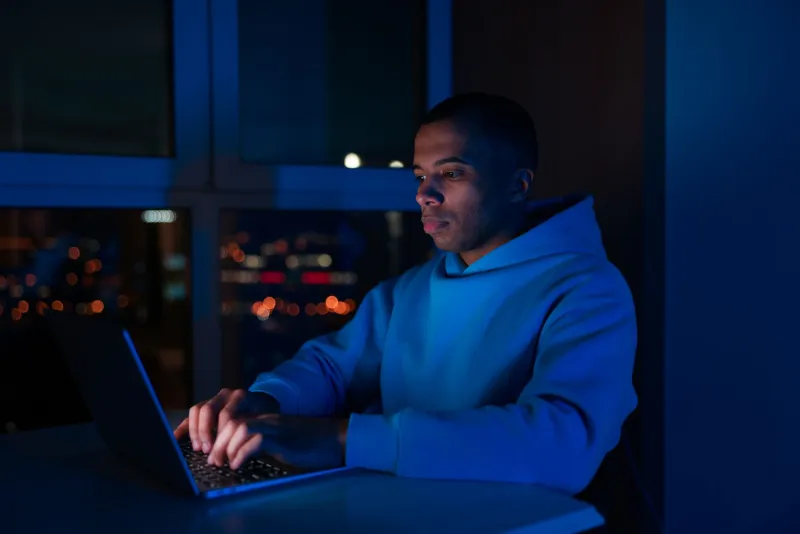
What gets edited out — always — is the part that actually built the thing. The years of practice sessions that nobody witnessed. The jokes that bombed in front of a bathroom mirror. The beats made in a bedroom at 3 a.m. with headphones on so the neighbors wouldn't hear. The lyrics scribbled on a Waffle House napkin at 2 a.m. because the idea came and you either grabbed it or lost it forever.
The invisible work. The private performance. The rehearsal nobody claps for.
That's the real story. And we've been telling it wrong.
The Visibility Trap Is Eating Your Craft
Here's what the current content landscape has done to a lot of creative people: it's convinced them that work only counts if it's documented. That a session in the studio that didn't get filmed didn't really happen. That the joke you workshopped alone in your car during a two-hour commute doesn't count as real development because there's no TikTok to prove it.
This is a genuinely dangerous mindset, and it's killing craft in slow motion.
When every creative act becomes a potential piece of content, you stop making things for the work's sake and start making things for the audience's sake — even when there is no audience yet. You optimize for shareability before you've even figured out what you're trying to say. You perform about the process instead of actually going through it.
The artists who build something real — something with actual staying power — tend to have a different relationship with invisibility. They're not afraid of it. In a lot of cases, they've learned to love it.
What Happens in the Dark
Think about the creative breakthroughs you've actually had. Were they on stage, on camera, in front of an audience? Or were they in the car, in the shower, in the middle of the night when your guard was completely down and nobody was watching?
For most artists, the real moments happen in private. And there's a neurological reason for that. When we're being observed — or even when we believe we might be observed — our brains activate performance mode. We self-monitor. We edit in real time. We pull back from the weird ideas because weird ideas are risky in front of an audience.
But in private? In the 3 a.m. session with no stakes and no witnesses? The brain relaxes into something different. The editorial function quiets down. The strange idea that you'd never pitch in a meeting gets followed all the way to its conclusion. And sometimes — not always, but sometimes — that's where the thing you've been trying to make actually shows up.
The late-night studio sessions that legendary producers never talk about on podcasts. The stand-up sets that comedians run through alone in hotel rooms before every show. The songwriter who fills a notebook before a single song is finished. These aren't warm-up acts. They're the main event.
Building a Practice That Doesn't Need an Audience
If you've gotten addicted to external validation as a measure of creative progress — and most of us have, because the internet made external validation available on demand — retraining yourself takes some intentional effort.
Schedule unshared sessions. Literally block time in your week for creative work that you've committed in advance to not posting, not showing anyone, and not evaluating for its content potential. Just work. The only rule is that you show up and make something. What you do with it afterward is a separate decision.
Practice the thing, not the version of the thing. There's a difference between writing songs and writing songs for your Instagram story. Between doing comedy and doing the kind of comedy that photographs well. Get back to the raw version of your craft — the one that existed before you knew anyone was watching. That's where the real voice lives.
Keep a private archive. Not everything needs to be public, but everything should be saved. The napkin lyrics, the voice memos, the late-night rough cuts — archive them somewhere only you can access. Over time, this becomes the most honest record of your creative development, and it's genuinely useful when you need to remember who you were before the audience showed up and started having opinions.
Embrace the boring middle. Every artist has a gap between where their taste is and where their skill is. The private, invisible practice sessions are where that gap gets closed — slowly, unglamorously, and without anyone watching. This is not a phase to rush through. This is the phase that determines everything.
The Light Finds You Eventually
Here's the part of the story that doesn't get told enough: the artists who built their voice in the dark — in the invisible, unwitnessed sessions — tend to be the ones who are most compelling when the lights finally find them. Because they've already figured out what they're actually trying to say. They've already made all the weird choices and learned from them. They've already failed in private, which means they can succeed in public without flinching.
The headline gig is the reward. The 3 a.m. rehearsal is the work.
And in Ronnieland, we believe the work is always the point.