Just One More: The Wild Psychology Behind Why Encores Hit Harder Than the Whole Show
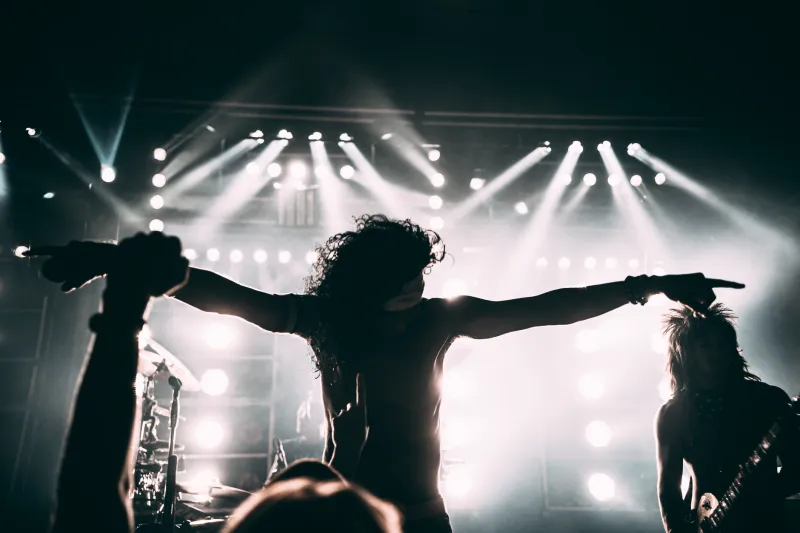
The lights go down. The performer walks off. And then the crowd loses its collective mind.
Feet stomping. Hands clapping. Somebody in the third row is full-on chanting. The energy in the room spikes in a way it literally never did during the actual show — and that's the wild part. You just sat through ninety minutes of brilliant music or twenty tight minutes of stand-up comedy, and somehow this moment, the one where nothing is technically happening, is the loudest the room has ever been.
Welcome to the encore effect. And once you understand what's actually going on inside your brain when it happens, you'll never experience a live show the same way again.
Your Brain Is Wired to Want What It Can't Quite Have
Here's the thing about human psychology: we are embarrassingly predictable when something gets taken away from us. The second a performer walks off that stage, the brain kicks into a very specific gear. Psychologists call it reactance — the instinctive push against the loss of something you were enjoying. You weren't necessarily thinking about how much you loved the show while it was happening. But the moment it ends, suddenly you need more like you need oxygen.
Comedians know this. Musicians know this. The good ones have known it for decades. Leaving the stage isn't quitting — it's a setup. It's the oldest trick in the live performance playbook, and it works every single time because it taps into something we genuinely can't override. We want what we're about to lose.
That manufactured absence? It's doing real emotional work.
The Encore as Emotional Exclamation Point
Think about the last time you saw a band come back out for one more song. Or a comedian who walked off to huge applause and then strolled back to the mic with a grin and a "alright, alright, one more." Be honest — didn't that moment feel like the highlight of the whole night?
That's not an accident. Memory doesn't record events like a security camera. It records peaks and endings. Behavioral economists Daniel Kahneman and Richard Thaler spent years studying this, and what they found is what performers have been banking on forever: the end of an experience disproportionately shapes how the entire thing gets remembered.
So when a comedian closes their set, walks off, and then comes back to deliver one final killer bit — that bit becomes the emotional anchor for the whole evening. Even if the forty-five minutes before it were objectively stronger, the encore is what people talk about at brunch the next morning. It's what they text their friends about. It's the clip they wish somebody had recorded.
The encore isn't extra. The encore is the show.
Reading the Room: Not Every Night Earns One
Now here's where it gets interesting — and where a lot of performers get it wrong. Encores only work when they're earned. Walk back out to a politely clapping room and you haven't created a magical moment; you've created an awkward one. The audience can feel the difference between genuine demand and a performer who just needs a little more time in the spotlight.
The best artists in both comedy and music develop a near-supernatural ability to read a room's energy. They know the difference between a crowd that's still buzzing and one that's already mentally halfway to the parking garage. Comedians like Dave Chappelle and musicians like Bruce Springsteen — who is basically the patron saint of the encore — have talked about this in interviews. You feel it. The room either pulls you back or it doesn't.
Forcing an encore when the energy isn't there is like telling a joke and then explaining why it was funny. The moment you have to justify it, you've already lost it.
Why Fans Remember It Forever
Here's what the encore does for fan loyalty that nothing else in a live performance can quite replicate: it makes the audience feel like they made something happen.
Think about it. The crowd cheered loud enough. They stomped hard enough. They wanted it badly enough — and the performer came back. That's not passive entertainment. That's participation. That's a transaction between the stage and the seats that feels genuinely mutual. And human beings are deeply, almost embarrassingly attached to experiences where they feel like active participants rather than spectators.
This is why people who caught an unexpected encore at a small club show in 2011 are still telling that story. The artist came back out, the room went insane, and everyone in that room felt like they were part of something that almost didn't happen. That feeling of near-miss magic? That's the stuff superfans are made of.
The Comedy Encore Is Criminally Underrated
We talk about musical encores constantly, but the comedy world's version of this phenomenon deserves way more credit than it gets. Stand-up has its own version of the encore, and it shows up in a few different forms.
Sometimes it's the comedian who walks off to huge applause and comes back for a final bit they "forgot" to do. Sometimes it's the headliner who lets the crowd's energy pull them into crowd work they never planned. Sometimes it's the callback — that moment late in a set when a joke from twenty minutes ago suddenly reappears, transformed, and the whole room explodes because they were there for the setup and they didn't even know it.
All of these are encores in spirit. All of them work for the same reason: they extend the emotional peak right at the moment the audience thought the peak was over.
How to Build Your Own Encore Moment
Whether you're a performer figuring out your live show or just someone who loves understanding what makes great entertainment great, the lesson here is pretty simple: don't give everything away upfront. Leave room for the room to want more. Save something real for the end — not a throwaway, not a filler, but something that hits.
The encore should feel like a gift, not an obligation. It should feel spontaneous even when it's planned. And it should leave the audience with the unshakeable feeling that they witnessed something they almost didn't get to see.
Because that feeling? That's what they'll carry out of the venue, into their car, back to their apartment, and straight into every conversation they have about the night.
The show might end when you walk off stage. But the experience ends with whatever happens when you walk back on.
Make it count.